
Learning That Sticks Because You Use It Immediately
The teaching approach behind Baobab Tech is built on a simple idea: understanding develops through doing, not through watching others do.
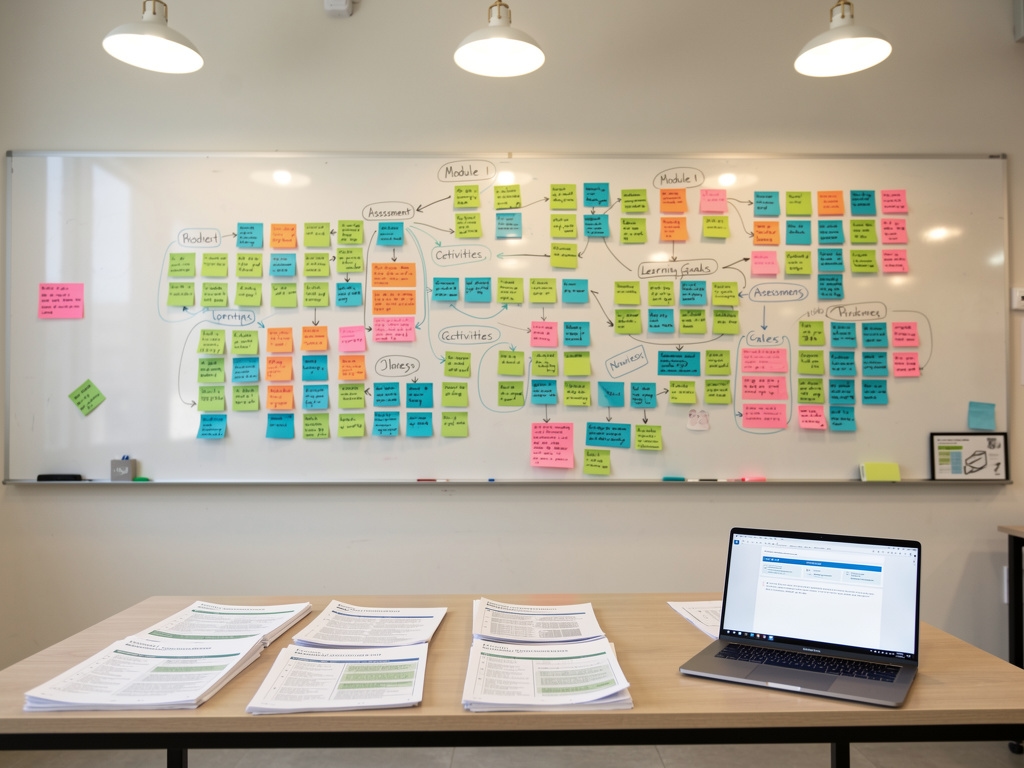
Application First, Theory Second
Most digital education starts with concepts and works toward application. We reverse this. Every Baobab Tech lesson begins with a task you can do, then explains the concept behind why it works. This approach connects abstract ideas to concrete experience in your own business context.
When you understand why something works by having already done it, that knowledge becomes durable. You're not memorizing a definition. You're building a mental model grounded in direct experience.
How We Design Every Lesson
Contextual Anchoring
Every concept is introduced through a scenario from the Botswana business landscape. Not a Silicon Valley startup. Not a European e-commerce brand. A business that operates in the same economic and cultural environment you do.
This anchoring matters because digital marketing advice that ignores local context produces recommendations that don't transfer. We write for this market specifically.
Progressive Complexity
Modules are designed so that foundational lessons can be completed without any prior knowledge. More advanced lessons build on concepts introduced earlier, but each one can also stand alone if you already have the background.
You don't need to complete an entire category before a lesson becomes useful. Pick what's relevant and go from there.
Immediate Application
The action task at the end of each lesson is not optional. It's the point. We design every lesson so the task takes no more than 30 minutes to complete using your own business assets — your website, your Google account, your existing content.
If you complete the task, you've applied the skill. That's the measure of a completed lesson, not finishing the reading.
Verifiable Outcomes
Vague learning goals produce vague results. We write specific, observable outcomes for every module. "You'll understand SEO better" is not an outcome. "You'll have a fully completed Google Business Profile with all core fields populated" is.
Specific outcomes help you know when you're done and give you something concrete to build on in the next lesson.
How We Decide What to Teach
Not every digital skill deserves a lesson. We apply a filter before anything enters the curriculum: does this skill have a meaningful impact on a Botswana business's ability to be found, trusted, or chosen online? If the answer isn't clearly yes, it doesn't make the cut.
We also consider the barrier to application. A skill that requires expensive software, a developer, or weeks of setup time is less valuable to most businesses than a skill that can be applied immediately with free tools. We weight the curriculum toward high-impact, low-barrier skills.
The skill noticeably improves how a business performs online in Botswana.
The required tools are free or have a meaningful free tier accessible in Botswana.
A business owner with no prior digital background can complete the lesson and task.
The skill reflects how digital tools and search engines actually work today, not two years ago.

A Curriculum That Evolves With Digital Tools
Search algorithms change. AI tools launch and mature. Platform features appear and disappear. A digital skills curriculum that was accurate two years ago may contain guidance that actively harms a business today.
We review every module when a meaningful change occurs in the tools or platforms it covers. The review date is visible on each lesson so you always know how current the content is. When we update a lesson, we note what changed and why — so returning learners can quickly identify what's new without re-reading everything.
Dated Updates
Every lesson shows its last review date. No guessing whether content is current.
Change Notes
When a lesson is updated, a summary of what changed is included at the top for returning learners.
Retired Content
Lessons that become outdated without a clear update path are retired rather than left to mislead learners.
See How the Lessons Are Structured
Browse the lesson categories and see what a module looks like in practice before you begin.